hghjp.com
Read research with care
Explore measurements, study design and the limits of a research claim.
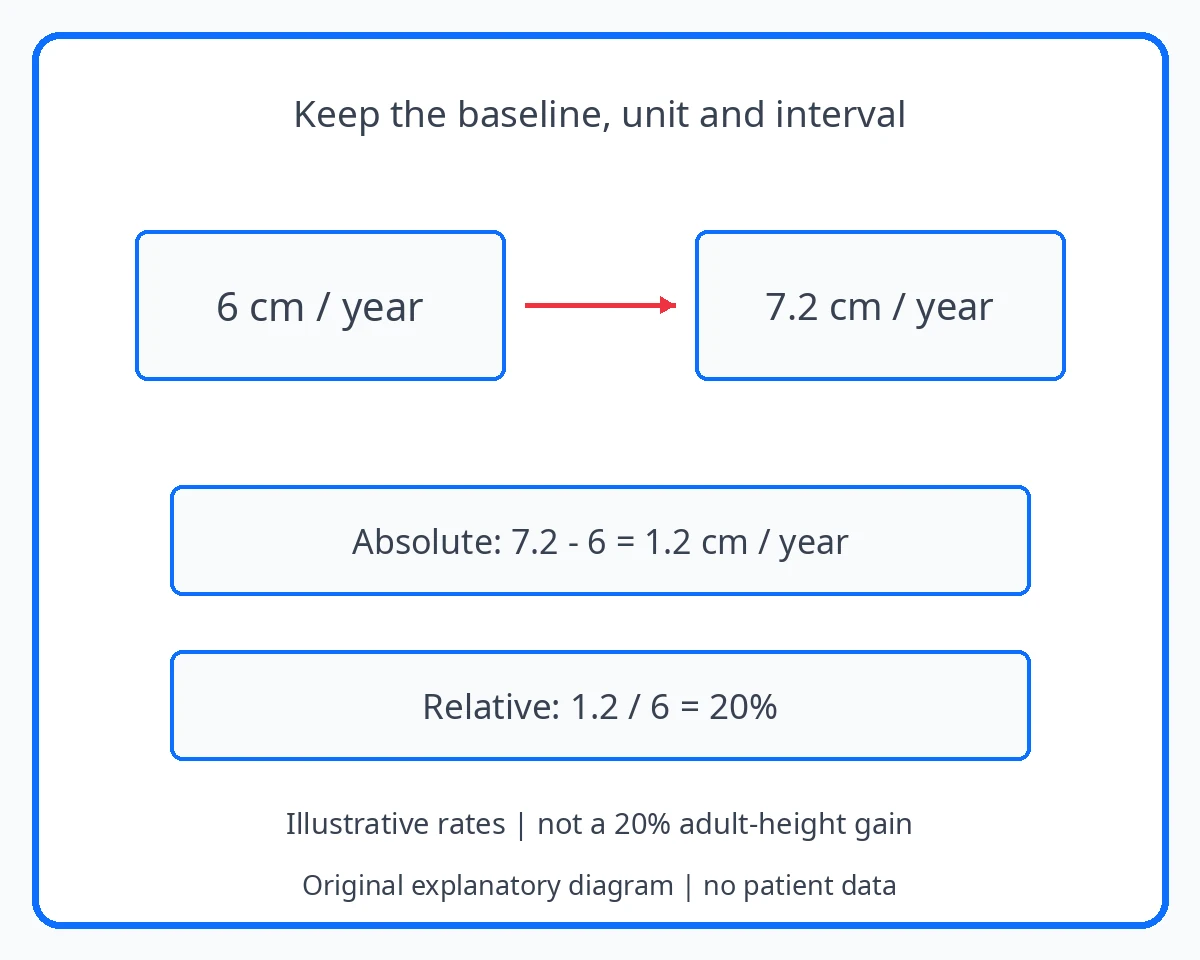
Absolute and Relative Changes in Growth Research
Distinguish absolute change, relative change and percentage points with 6-to-7.2 and 10%-to-12% examples, keeping the outcome and denominator visible.
Read the guide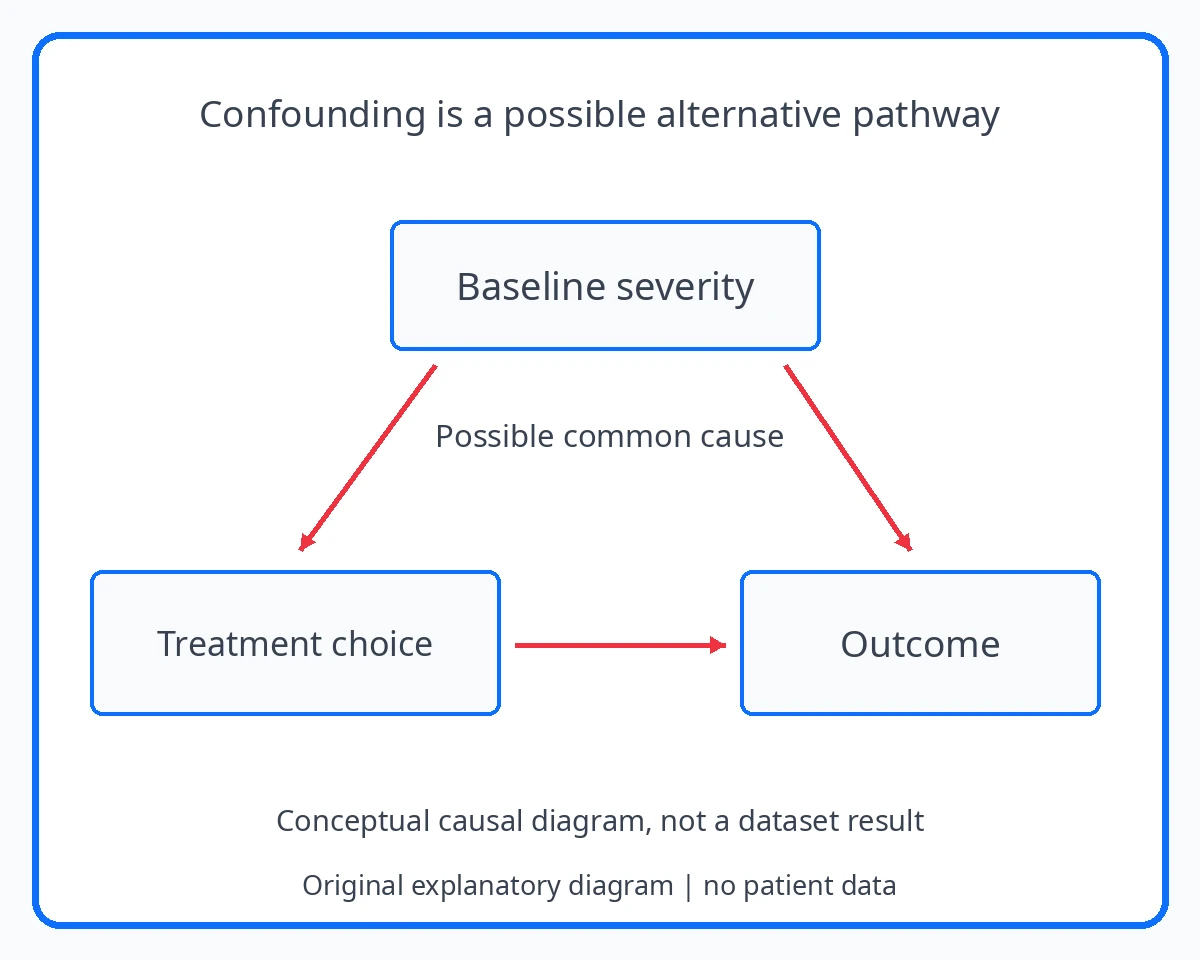
What an Observational Growth Study Can and Cannot Establish
Understand confounding through a severity–treatment–outcome example, and read adjustment as a defined method with assumptions rather than automatic certainty.
Read the guide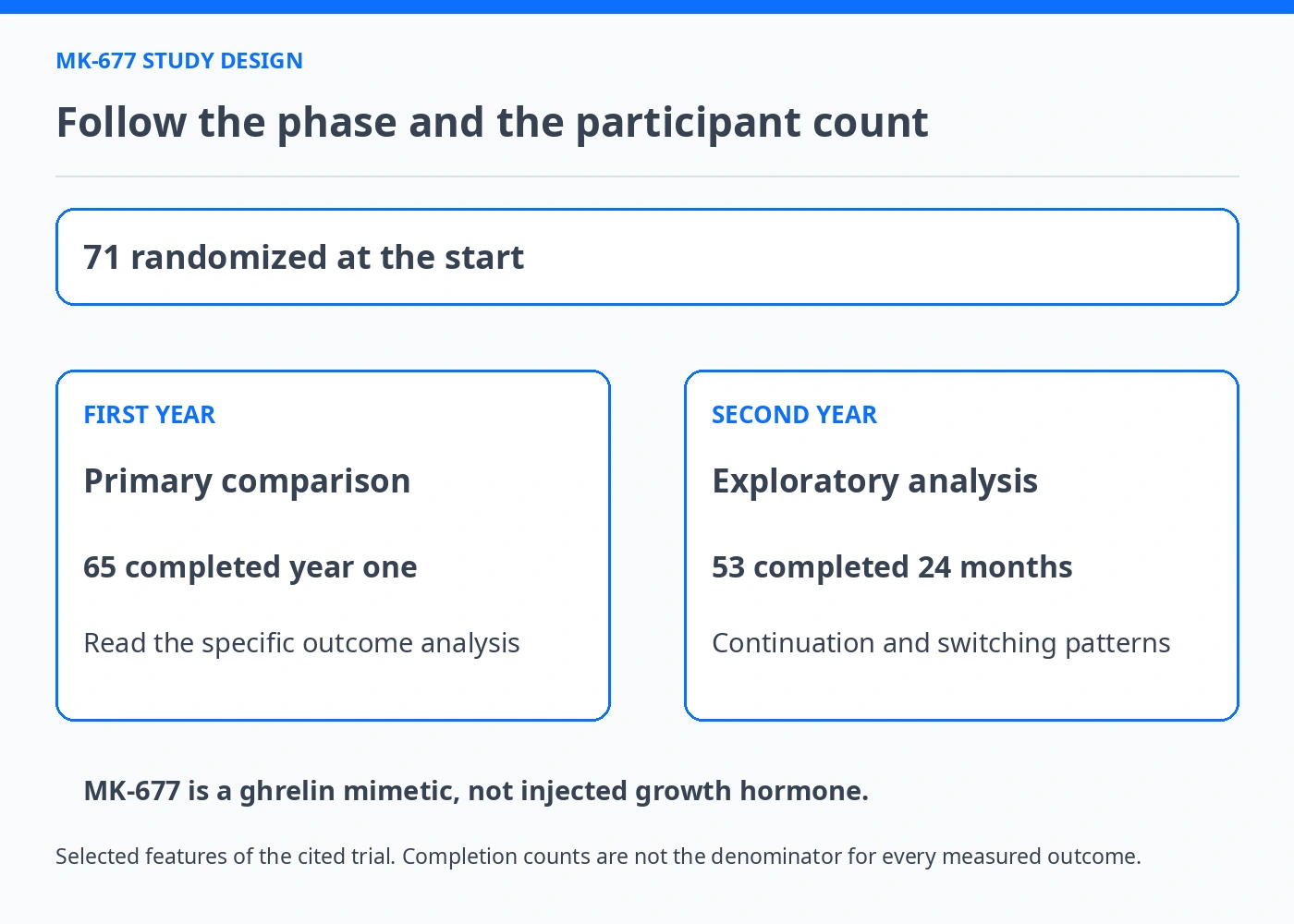
Short and Long Follow-Up: Reading Growth-Treatment Studies
Read study follow-up by phase, participants and endpoint, using the MK-677 trial to distinguish a first-year primary comparison from exploratory later analysis.
Read the guide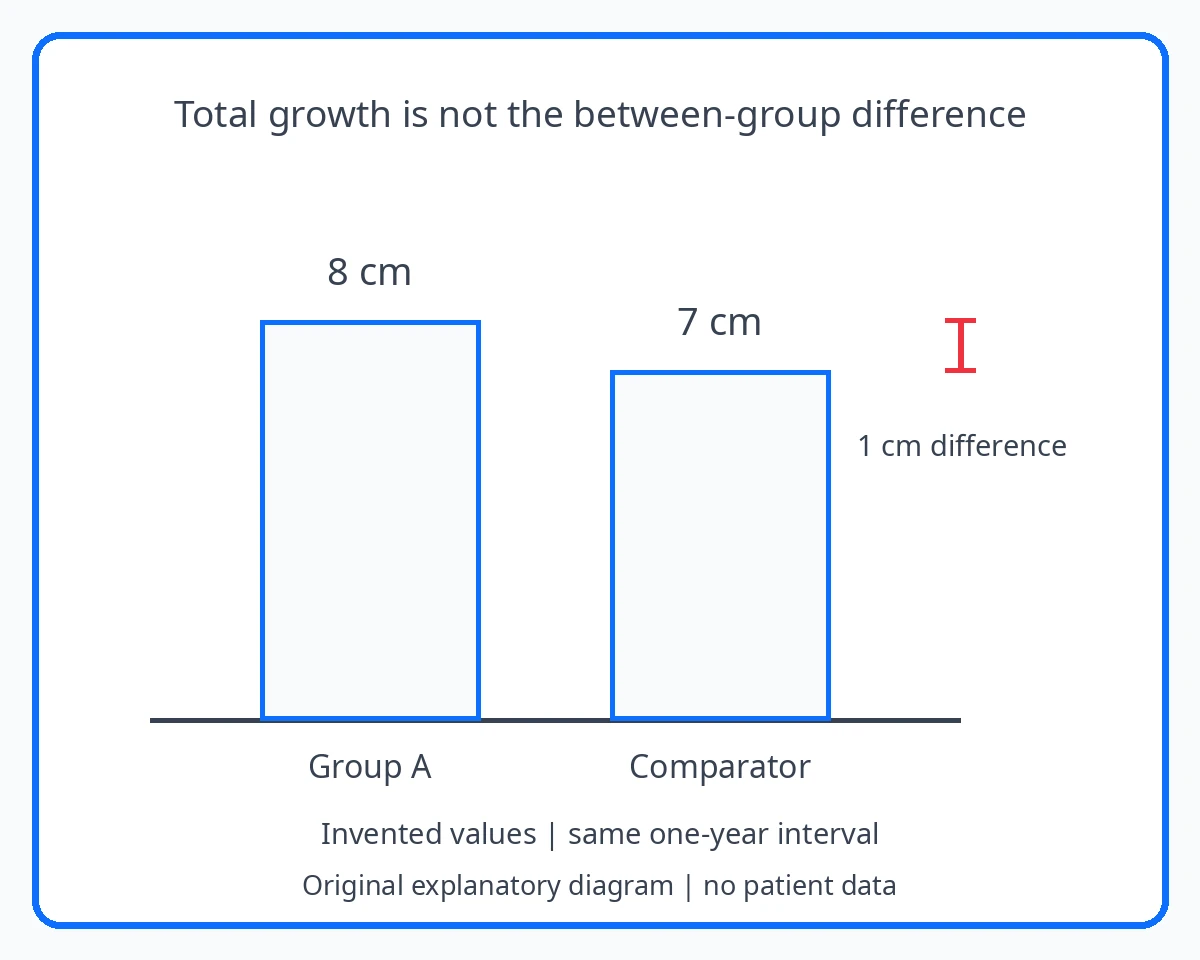
Why the Comparison Group Matters in Growth Hormone Research
Use an 8 cm versus 7 cm fictional example to distinguish total growth from a between-group difference, then check allocation, blinding and missing data.
Read the guide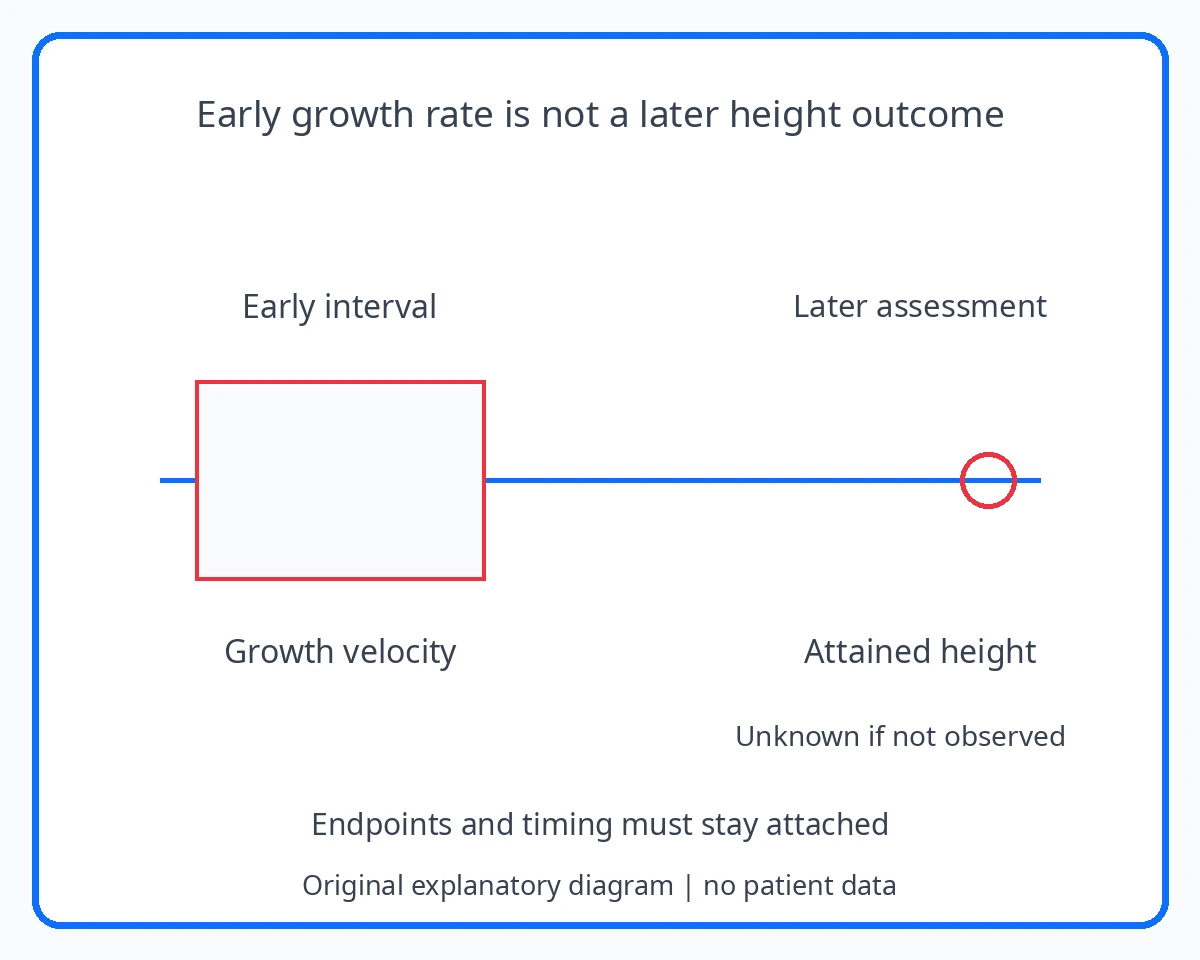
Growth Rate and Adult Height: Different Outcomes in a Study
Separate first-year growth velocity from near-adult height by checking endpoint definitions, follow-up and the participants actually analyzed.
Read the guide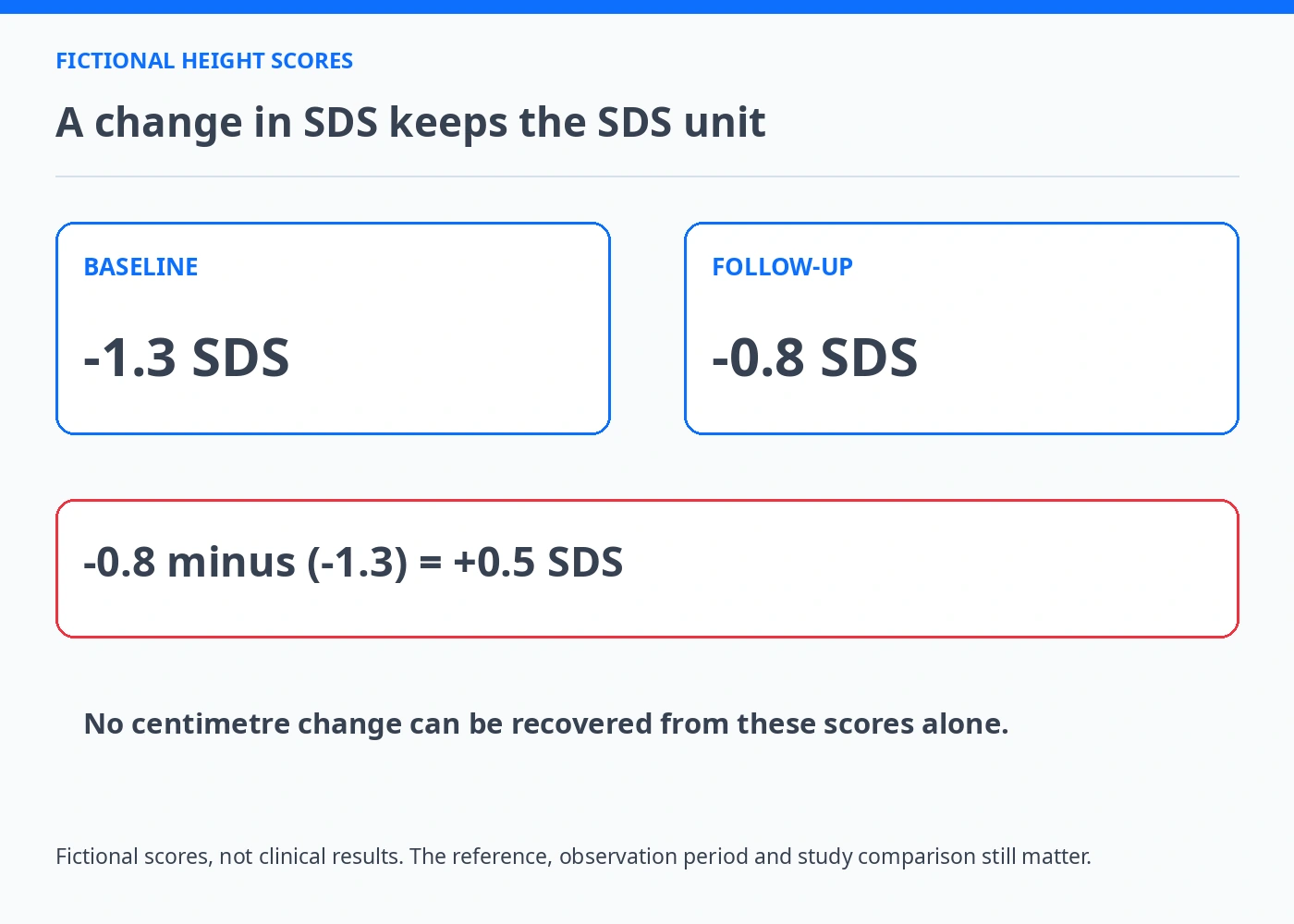
Height Standard Deviation Scores in Research: A Reader's Guide
Read height SDS with its reference and units, using a fictional -1.3 to -0.8 example to separate score change from centimetres and treatment effects.
Read the guide